
Securing Your Greenhouse from Wind and the Elements
How to Manage Wind Around Your Greenhouse (Real Lessons from the Field)
If you’ve ever watched a greenhouse cover flap like a sail—or worse, lift clean off—you already know: wind is the #1 enemy of hoop houses.
At Grizzly Shelter, we hear it all the time from customers across Canada, especially in open, rural, or mountain-exposed areas like the Kootenays. And the reality is this:
Wind management isn’t about one fix—it’s about a system.
Below, we break down real-world solutions based on customer experience (including some hard-earned trial and error!) and how to apply them to your own greenhouse setup.
🌬️ 1. Anchor the Structure Like It Matters (Because It Does)
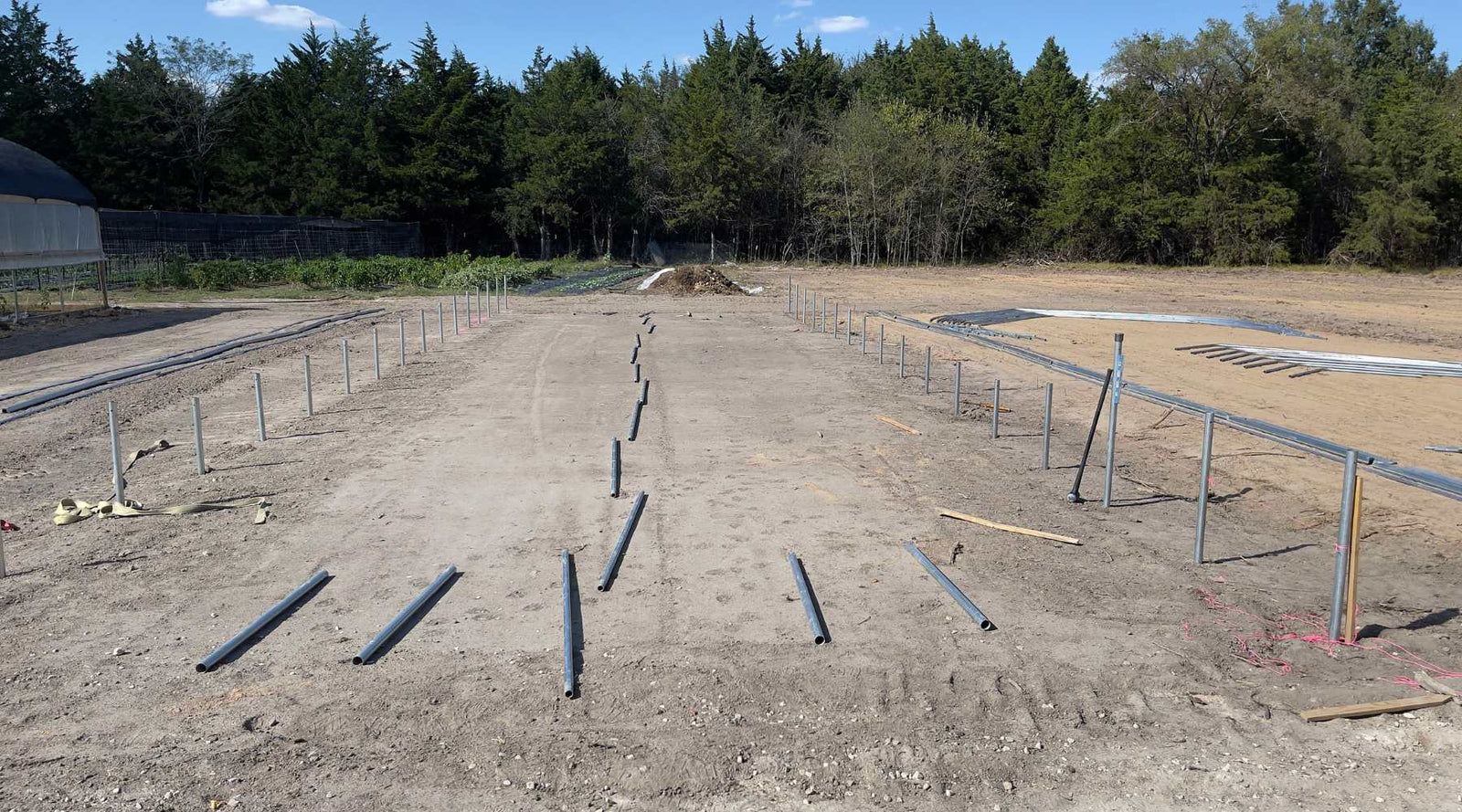


One of the most effective upgrades we’ve seen:
-
Cemented wood posts at all four corners
-
Securely attaching the frame corner hoops to these posts
This creates a rigid anchor system that prevents uplift and lateral shifting during high winds.
Pro Tip:
Take it further by:
-
Adding mid-point posts along each side, OR
-
Installing a continuous wood base frame around the greenhouse perimeter
This distributes wind load across the entire structure—not just the corners.
🏗️ 2. Reinforce the Frame for Snow + Wind Combo


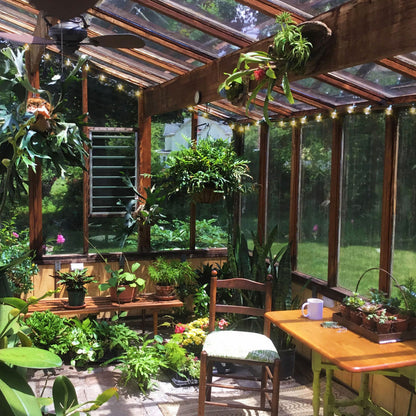

Wind rarely comes alone—especially in Canada. It often brings snow load with it.
Customers have had great success with:
-
Cemented wood posts inside the greenhouse
-
Positioned under the peak (ridge beam)
This reduces flex and prevents collapse under heavy snow or gust-driven pressure.
Why it works:
A stronger structure = less movement = less stress on your cover and anchors.
🔩 3. Add Structural Bracing (Don’t Skip This)
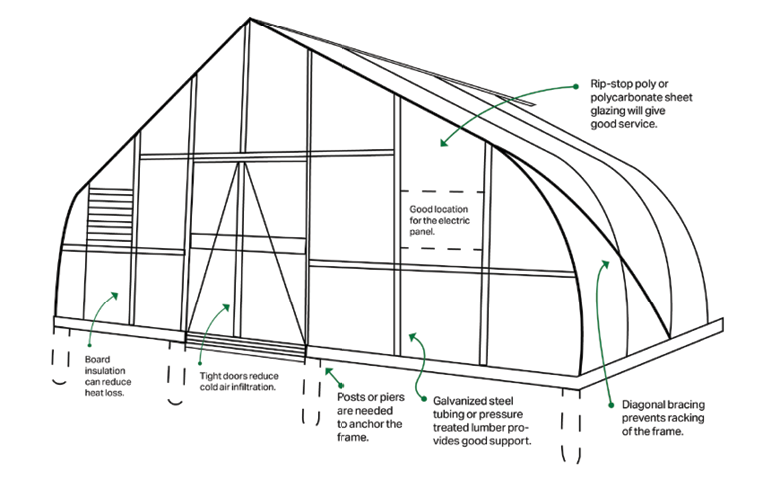
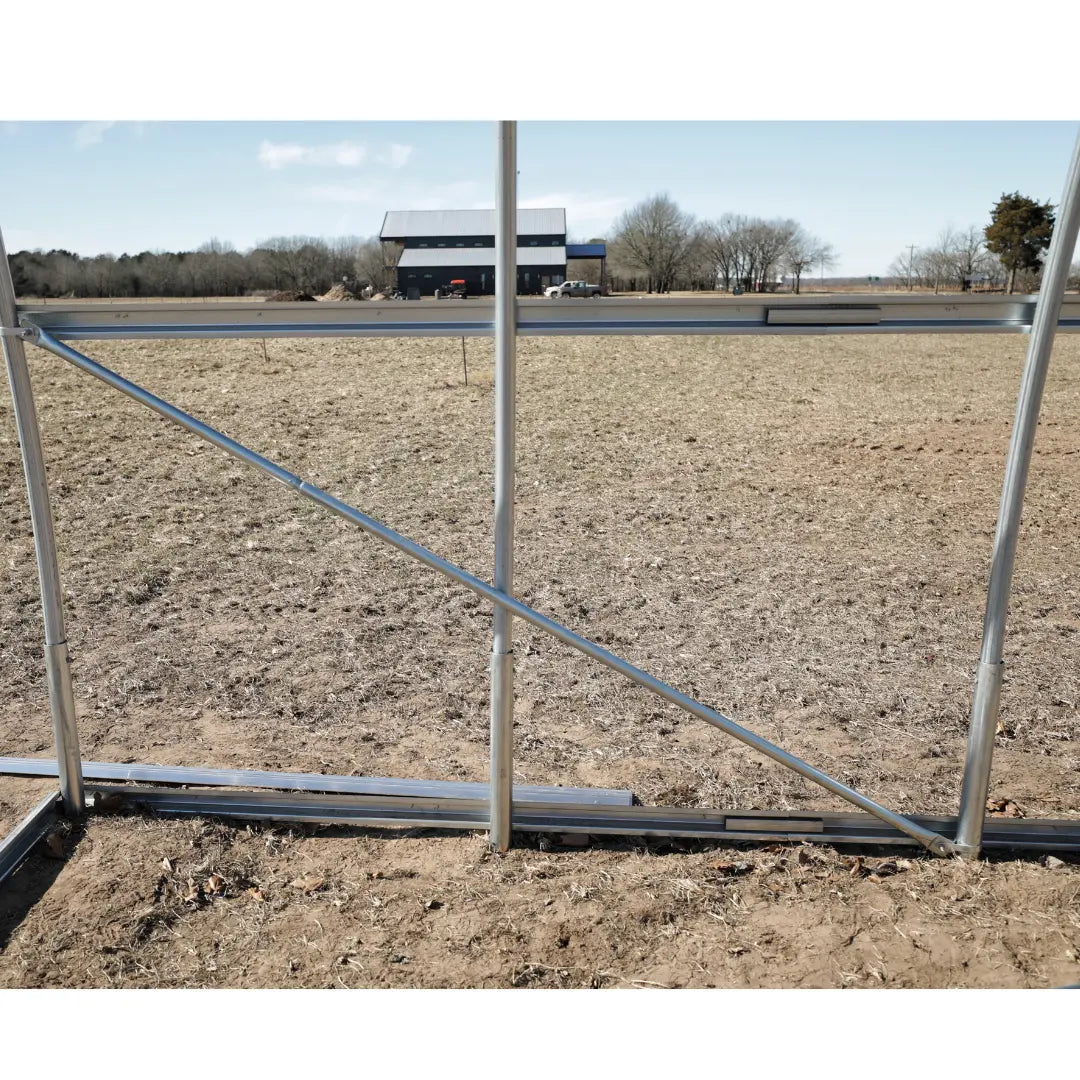
Think of your greenhouse like a bridge—it needs triangulation to stay rigid.
Effective methods include:
-
Wood bracing between hoops
-
Angled supports from hoop to ground inside the structure
These reduce:
-
Twisting
-
Swaying
-
Frame fatigue over time
🪢 4. Strap It Down (Literally)
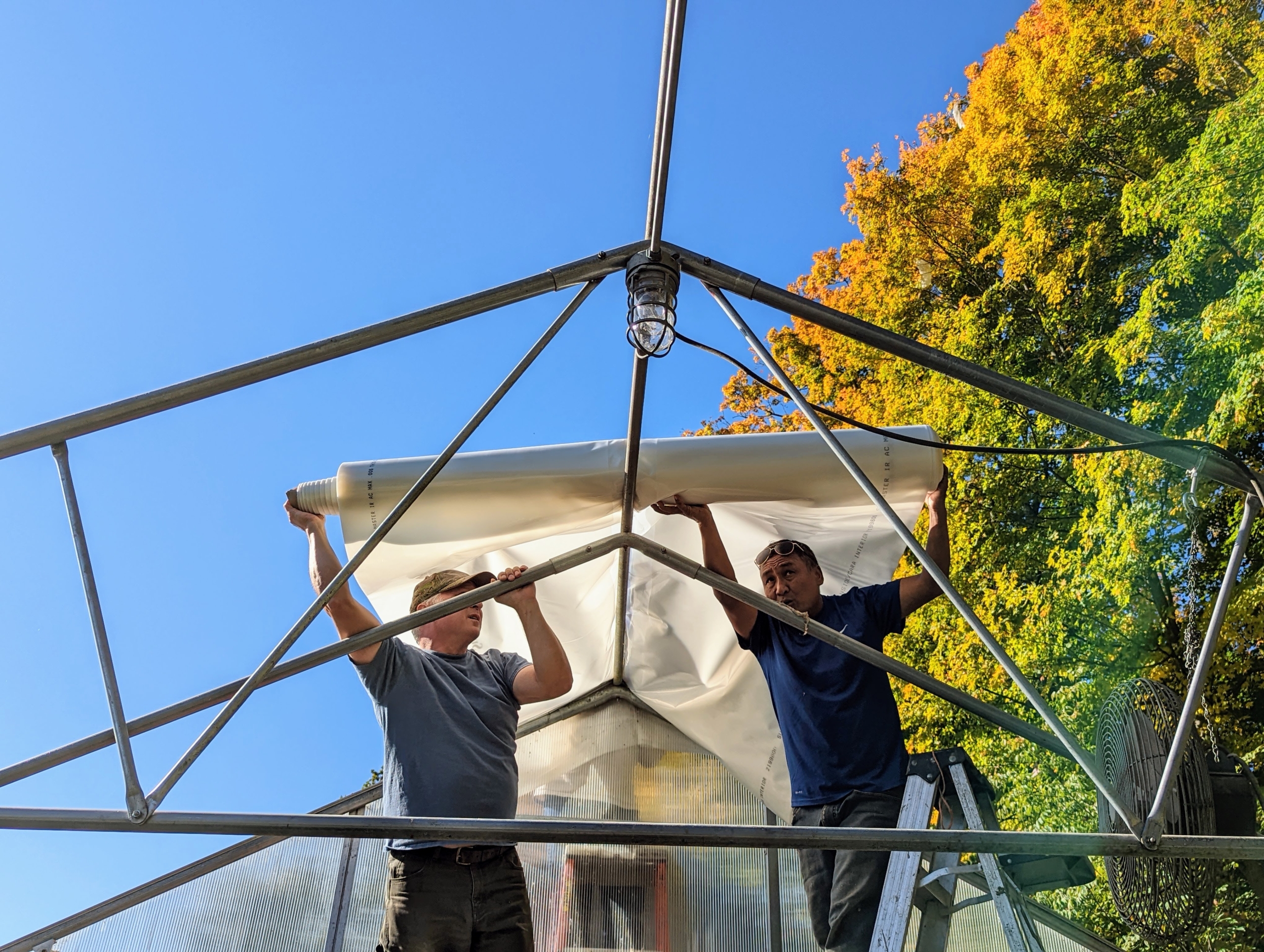
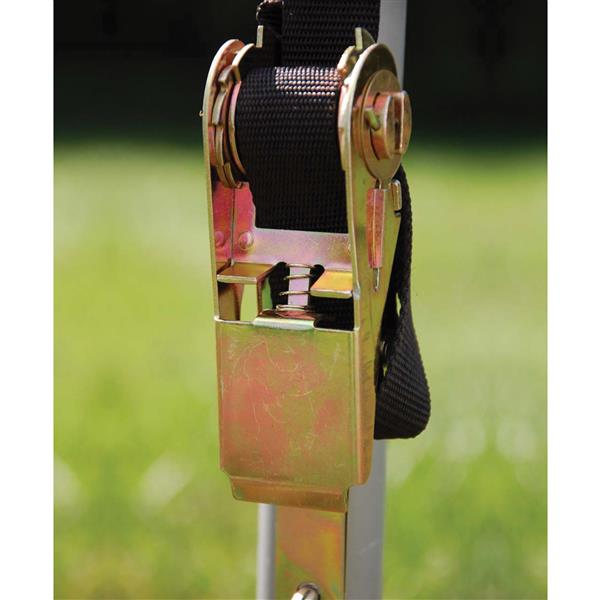

This is one of the biggest real-world takeaways:
The standard strapping is often not enough.
Customers reported needing:
-
2–3x more strapping than supplied
-
Fabric straps over the top of the cover
-
Anchored into the ground using ratchets
Why it matters:
Wind doesn’t just push—it lifts.
These straps act like seatbelts, keeping your cover tight and secure.
🌱 5. Ground Control: Lessons from the “Flying Landscape Fabric”
Here’s a story we hear often—and maybe you’ve lived it too:
-
Concrete blocks? Lifted and rolled away
-
Sandbags? Barely helped
-
Staples? Gone with the first gust
After 3 years of trial and error, one customer finally cracked it.
The takeaway:
Wind will exploit anything loose or poorly anchored.
So whether it’s:
-
Landscape fabric
-
Ground tarps
-
Greenhouse covers
👉 The solution is always the same:
Anchor deeper, distribute load, and eliminate lift points.
🧠 The Big Picture: Build a Wind System, Not a Fix
The most successful greenhouse setups combine multiple strategies:
-
Solid corner + side anchoring
-
Reinforced frame structure
-
Internal load supports
-
External strapping systems
This layered approach turns your greenhouse from a “temporary shelter” into a wind-resistant structure built for Canadian conditions.
🏔️ Built for Real Conditions (Not Just Spec Sheets)
At Grizzly Shelter, we design and recommend systems based on what actually works in the field—not just lab ratings.
If you’re dealing with:
-
Open farmland
-
Mountain gusts
-
Heavy snow + wind combos
…it’s worth overbuilding your anchoring and bracing from day one.
🚀 Final Tip
If you’re setting up a greenhouse this season:
Don’t wait 3 years to figure it out—build your wind system from the start.
Need help choosing the right greenhouse or anchoring setup?
Explore our wind- and snow-rated structures at https://grizzlyshelter.ca
Or reach out—we’re happy to help you design a setup that actually holds up.